Author name: Fiverr

Scientific Insight

Citoethyl: The Revolutionary Supplement for Alcohol Metabolism

Alcohol consumption can impair cognitive and motor functions, posing serious risks, especially for drivers. Citoethyl (CTH) is a groundbreaking dietary supplement designed to accelerate alcohol metabolism, helping individuals regain normal physiological function more quickly. This article explores the scientific research behind Citoethyl and its effectiveness in reducing breath alcohol levels. Why Citoethyl Stands Out Citoethyl is a scientifically backed, natural solution to enhance alcohol metabolism. Key advantages include: ✅ Speeds up alcohol elimination – Helps individuals sober up faster. ✅ Supports liver function – Protects against alcohol-induced liver stress. ✅ Proven by research – Tested in controlled scientific studies. How Citoethyl Works Citoethyl is a unique blend of vitamins and antioxidants formulated to support the body’s natural ability to process alcohol. By enhancing hepatic enzymatic activity, it speeds up ethanol breakdown, promoting faster alcohol clearance from the body. The metabolism of alcohol depends on the liver’s ability to convert ethanol into acetaldehyde and then into acetic acid. Citoethyl facilitates this process by supplying essential co-factors that boost enzymatic efficiency. Key components of Citoethyl include: Together, these components work synergistically to enhance alcohol clearance, reducing its presence in the bloodstream and minimizing physiological impact. Scientific Study: Citoethyl’s Effect on Alcohol Metabolism A controlled study was conducted with 60 healthy male participants, divided into six age groups (18-24, 25-32, 33-43, 44-50, 52-60, and 62-70 years), to assess the impact of Citoethyl on alcohol metabolism. None of the subjects had pre-existing medical conditions or were under medication. Researchers measured breath alcohol levels at six time intervals (30 min, 1 h, 2 h, 3 h, 4 h, 5 h) under two conditions: Each participant consumed 80 mL of pure ethyl alcohol diluted in 200 mL of water, equivalent to: Breath alcohol levels were monitored using a BACtrack Select S80Breathalyzer Professional Edition, a highly precise device. Statistical analysis, including the Mann-Whitney U test and Spearman’s rank correlation test, was used to evaluate variations across age groups and the different conditions of Citoethyl administration. Results were averaged from three separate measurements per subject, with a variability margin of approximately 20%. Results: Citoethyl’s Impact on Alcohol Clearance How to Use Citoethyl For optimal results, take 15 mL of Citoethyl orally,  after alcohol consumption. While Citoethyl accelerates alcohol clearance, it does not instantly reverse intoxication. Drinking responsibly remains essential. Conclusion Citoethyl is a breakthrough in alcohol metabolism, significantly reducing breath alcohol levels while supporting liver function. Whether used as a precaution or post-drinking, this supplement is a reliable option for those looking to recover more quickly from alcohol intake.  Below you will find the button to download the full publication on ‘Citoethyl: The Revolutionary Supplement for Alcohol Metabolism.’ Click to access the detailed study and learn how Citoethyl can support alcohol metabolism Download

Scientific Insight

The Importance of Electrons in Human Biology

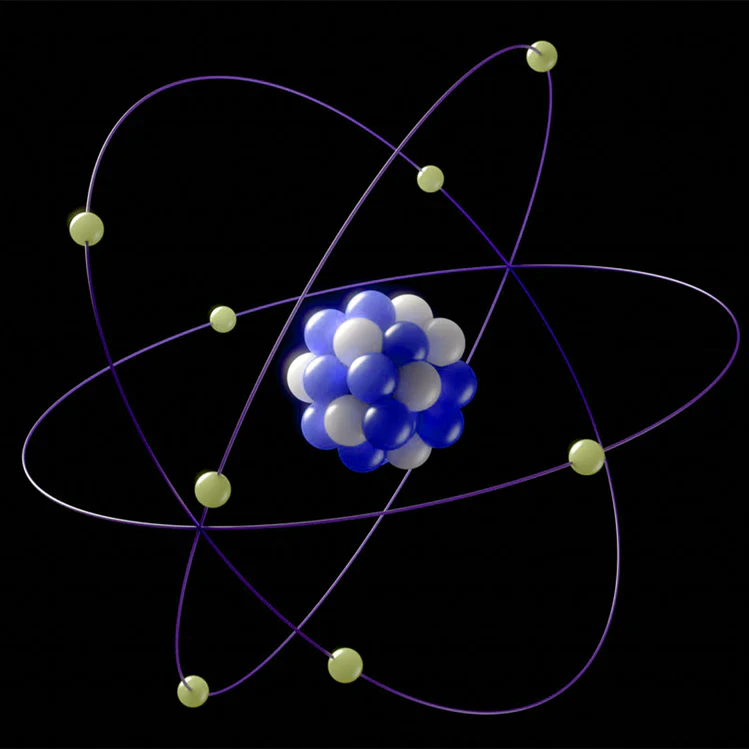
Electrons, negatively charged subatomic particles, are fundamental to human biology. They play a vital role in numerous processes, including energy metabolism, nerve transmission, protection against oxidative damage, and the synthesis of biomolecules. Understanding the role of electrons in human biology is essential for advancements in medical and scientific fields. Role of Electrons in Energy Metabolism Cellular Respiration In the human body, cellular respiration is the primary process through which cells produce energy. This occurs in the mitochondria, where glucose is oxidized in the presence of oxygen, producing ATP, the main energy source for cells. The transfer of electrons is crucial in this process. Role of Electrons in Mitochondrial Disease Mitochondrial diseases often result from defects in the electron transport chain, impairing the cell’s ability to produce ATP. This can lead to a wide range of symptoms, including muscle weakness, neurological problems, and multi-organ dysfunction (2). Electrons and Nerve Transmission Electrons are essential for communication between nerve cells. Nerve impulse transmission occurs through action potentials, which are rapid changes in the electrical potential of the cell membrane due to the movement of ions, including electrons, through specific ion channels. Implications for Mental Health Disorders such as epilepsy, depression, and Parkinson’s disease are associated with dysfunctions in electron transfer and regulation of action potentials. For example, antiepileptic drugs often aim to stabilize ion flow and therefore electron movement across neuronal membranes (4). Antioxidant Defense Electrons are crucial for the body’s defense against oxidative stress, caused by reactive oxygen species (ROS). Antioxidants, such as vitamin C and vitamin E, donate electrons to ROS, neutralizing them and preventing cellular damage. Role of Antioxidants in Disease A deficit in antioxidant capacity can contribute to the development of chronic diseases such as cancer, diabetes, and cardiovascular diseases. Studies have shown that increasing antioxidant intake can reduce the risk of these diseases by neutralizing ROS and preventing cellular damage (6). DNA and Protein Synthesis Electrons are involved in the synthesis of DNA and proteins, processes essential for cellular growth and replication. Health Impacts Errors in electron transfer during DNA synthesis can lead to genetic mutations, which are at the root of many genetic diseases and cancers. Understanding these mechanisms has led to the development of targeted therapies, such as PARP inhibitors, used in the treatment of certain types of cancer (7). Conclusion Electrons are fundamental components in the biological processes that sustain human life. From energy metabolism to cellular communication, to defense against oxidative stress and the synthesis of DNA and proteins, the role of electrons is essential and complex. Understanding these mechanisms can lead to significant advances in molecular biology and medicine, improving our ability to treat and prevent diseases. References

Scientific Insight

Enzymatic Substrates vs. Sugars: Key Differences Explained

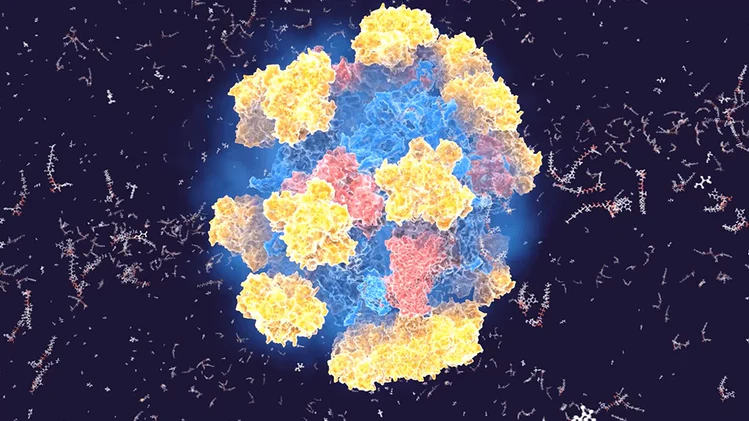
In the intricate field of biochemistry, understanding the distinctions between enzymatic substrates and sugars is essential for grasping how molecules impact biological functions. This article delves into the unique characteristics and roles of these two types of molecules, highlighting their structural differences, functions, and implications in biological systems. What Are Enzymatic Substrates? Enzymatic substrates are specific molecules that enzymes act upon to catalyze chemical reactions. These enzymes are specialized proteins that enhance reaction rates by reducing the necessary activation energy. The specificity of an enzyme to its substrate is often depicted by the “lock-and-key” model, highlighting a perfect fit that facilitates the chemical process, as outlined by Alberts et al. (1). The Role and Significance of Sugars Sugars, known in scientific terms as simple carbohydrates, play critical roles as primary energy sources for living organisms. These are categorized into monosaccharides, disaccharides, and oligosaccharides, essential for energy provision and forming structural components like plant cellulose and animal glycogen, as detailed by Nelson and Cox (2). Chemical and Structural Variations Enzymatic substrates encompass a broad range of molecules, from small molecules to complex macromolecules like proteins and nucleic acids. Conversely, sugars are confined to specific chemical formulas typically represented by the general formula (CH2O)n, as explained by Berg et al. (3). This diversity allows enzymes to engage in a wide array of catalytic activities. Divergent Biological Functions Enzymatic substrates partake in various biological functions, from aiding in food digestion to facilitating DNA replication. Sugars, however, are mainly utilized for energy storage and release. This functional disparity underscores the distinct roles each plays in biological systems, highlighted by Voet et al.  (4). Medical and Biotechnological Applications The differences between enzymatic substrates and sugars are critically important for their applications in medicine and biotechnology. Targeting specific enzymes for inhibition is a prevalent approach in treating diseases like cancer and diabetes, where regulating sugar metabolism also proves crucial, as demonstrated by the work of Fisher and Sutherland (5) and Guyton and Hall (6). Conclusion The distinction between enzymatic substrates and sugars goes beyond simple chemical differences; it encompasses varied essential biological roles with significant practical implications. A more profound understanding of these molecules not only deepens our biochemistry knowledge but is also vital for advancements in medical research and health technology innovations. References

Scientific Insight

The Integral Role of Enzymatic Substrates in DNA Functionality

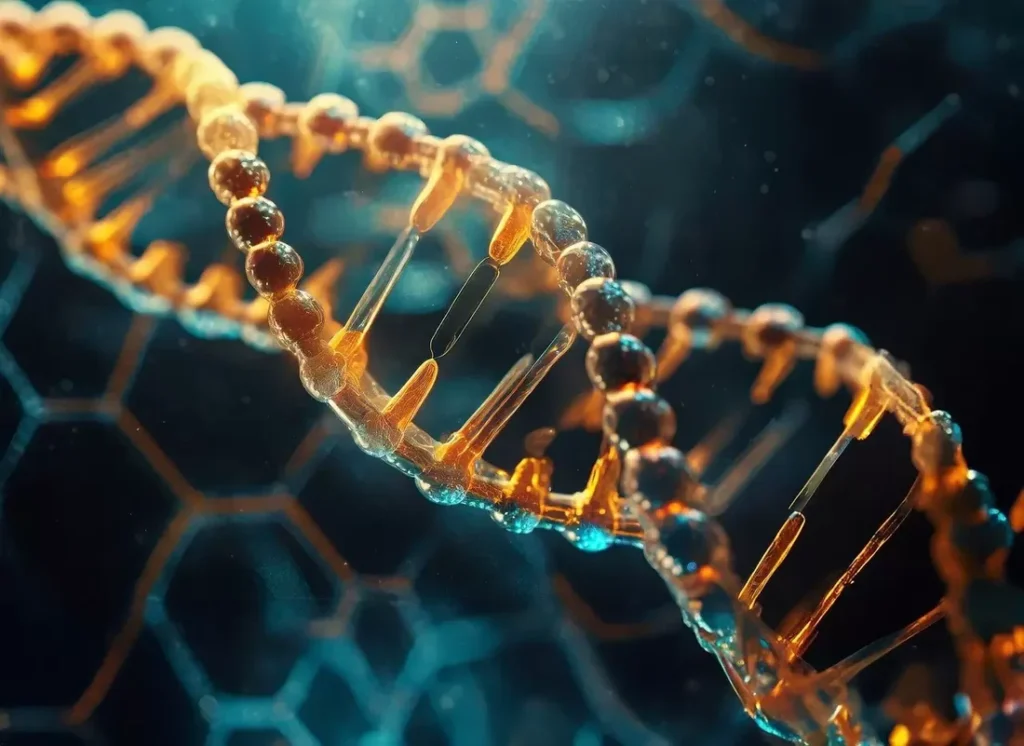
The interaction between enzymatic substrates and DNA is pivotal for unraveling the complexities of genetic functionality and cellular operations. This article explores the essential roles that enzymatic substrates play in the processes of DNA replication, repair, and transcription, underlining their importance in preserving genetic integrity and enabling life’s fundamental mechanisms. Understanding Enzymatic Substrates Enzymatic substrates are molecules that serve as necessary reactants upon which enzymes act to catalyze a wide array of crucial biochemical reactions. In genetic processes, these substrates are indispensable for the function of key enzymes involved in DNA replication, such as DNA polymerases, helicases, and ligases, ensuring precise and efficient enzymatic activity (1). Enzymatic Substrates in DNA Replication DNA replication is a vital process for genetic continuity, where enzymatic substrates are central to the accurate duplication of genetic material. Deoxyribonucleoside triphosphates (dNTPs), the substrates for DNA polymerase, are fundamental for adding the correct nucleotides to the newly forming DNA strand. This process ensures that genetic information is accurately passed on during cell division (2). Critical Role in DNA Repair The integrity of DNA is constantly challenged by environmental and metabolic stressors. Enzymatic substrates like ATPare crucial for the energy-dependent steps of DNA repair mechanisms. These substrates enable repair enzymes to remove erroneous nucleotides and insert the correct ones, thereby preventing mutations that can lead to serious diseases, including cancer (3). Impact on DNA Transcription Transcription, the first step in gene expression, involves converting DNA into messenger RNA (mRNA). This process is heavily reliant on enzymatic substrates such as ribonucleotide triphosphates (rNTPs), which are used by RNA polymerase to synthesize RNA. The supply and balance of these substrates significantly affect transcription efficiency and fidelity, impacting protein synthesis and cellular function (4). Implications for Genetic Research and Medical Advances Research into the interaction between enzymatic substrates and DNA has significant implications for genetics and medicine. This knowledge helps in developing targeted genetic therapies, refining gene editing technologies, and advancing our understanding of gene regulation. Moreover, these insights are crucial for personalized medicine, allowing for treatments tailored to individual genetic profiles (5). Conclusion Enzymatic substrates are fundamental to DNA functionality, affecting critical processes such as replication, repair, and transcription. Their study enhances our understanding of molecular biology and supports the development of innovative medical therapies to treat genetic disorders. Ongoing research in this field is essential for continuing advances in genetics and healthcare. References

Uncategorized

Essential Roles of Enzymatic Substrates in Epigenetic Regulation

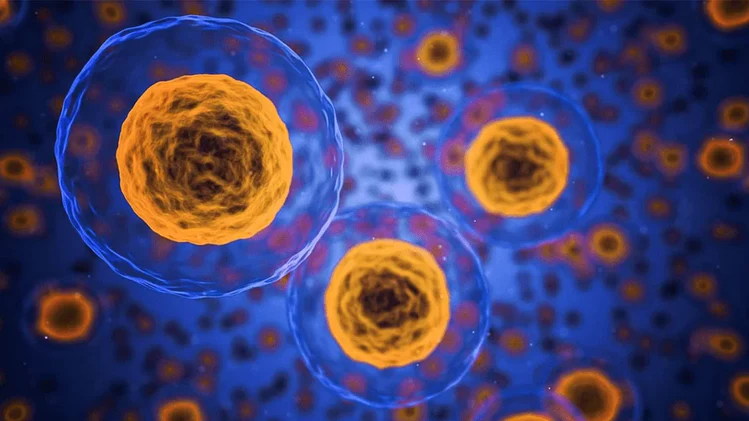
The field of epigenetics explores how gene expression can be regulated by changes that do not alter the DNA sequence itself. Enzymatic substrates are critical in this context, providing the necessary components for enzymes that modify DNA and histone proteins, thereby influencing gene activity. This article focuses on the pivotal role of enzymatic substrates in epigenetic modifications, detailing their impact on gene regulation and their potential therapeutic implications. Overview of Epigenetic Modifications Epigenetic modifications include the addition or removal of chemical groups to both DNA and histones, affecting gene expression without altering the genetic code. These changes are fundamental to various biological processes such as development, aging, and disease pathology. Key enzymes such as DNA methyltransferases (DNMTs) and histone acetyltransferases (HATs) depend on specific enzymatic substrates to facilitate these chemical modifications (1). Enzymatic Substrates in DNA Methylation DNA methylation, a well-documented epigenetic mechanism, involves the addition of methyl groups to DNA, typically at cytosine bases, generally suppressing gene expression. S-adenosylmethionine (SAM) serves as the primary substrate for DNMTs, donating methyl groups that are crucial for this process. The regulation of SAM availability directly influences methylation patterns across the genome, thereby affecting gene expression and impacting various developmental processes (2). The Impact on Histone Modification Histone modifications, such as acetylation, methylation, and phosphorylation, alter chromatin structure and thus regulate DNA accessibility and gene activity. Histone acetyltransferases (HATs), for example, utilize acetyl-CoA to add acetyl groups to histones, promoting a more open chromatin configuration that facilitates gene expression. Conversely, histone methyltransferases (HMTs) use SAM to add methyl groups to histones, affecting transcription in ways that can either activate or suppress gene expression depending on the specific sites of methylation (3). Implications of Substrate Dysregulation in Diseases Irregularities in enzymatic substrates can lead to atypical epigenetic patterns associated with a variety of diseases, including cancers, neurological disorders, and autoimmune conditions. For instance, aberrant DNA methylation patterns, often stemming from imbalances in SAM levels, have been implicated in cancer development and progression. Insights into how enzymatic substrates influence these epigenetic mechanisms are vital for developing targeted epigenetic therapies that could adjust these patterns and potentially mitigate disease symptoms (4). Conclusion Enzymatic substrates are fundamental to the epigenetic regulation of gene expression, playing a crucial role in facilitating DNA and histone modifications that dictate cellular function and development. Ongoing research into the relationship between enzymatic substrates and epigenetic processes promises to deepen our understanding of biology and pave the way for innovative treatments for various genetic and epigenetic disorders.

Scientific Insight

The Role of Enzymatic Substrates in Comprehensive Anti-Aging Strategies

As the global population continues to age, the quest for effective anti-aging solutions extends beyond dermatology to encompass various dimensions of health and wellness. Enzymatic substrates, crucial for catalyzing specific biochemical reactions, offer promising potential not only in skincare but also in promoting overall bodily functions that counteract aging. This article explores the wide-ranging benefits of enzymatic substrates in anti-aging, focusing on their applications in dermatology, neurology, and overall health maintenance. Exploring Enzymatic Substrates Enzymatic substrates are molecules targeted by enzymes to facilitate essential biochemical reactions across different bodily functions. These reactions include breaking down biological barriers and synthesizing key proteins like collagen, as well as enzymes such as superoxide dismutase (SOD), which play critical roles in managing oxidative stress—a primary factor in aging (1, 2). Advancements in Skin Health In dermatology, enzymatic substrates help accelerate skin cell turnover and boost the synthesis of structural proteins. This activity combats visible signs of aging, such as wrinkles and reduced skin elasticity, by promoting healthier, more resilient skin structure and function. A study published in “Biomolecules” highlights how retinol (a form of vitamin A) significantly impacts skin aging by improving epidermal thickness and stimulating the growth of keratinocytes and fibroblasts (3). Neuroprotective Benefits Recent studies suggest that enzymatic substrates may also offer neuroprotective benefits, potentially slowing the progression of age-related neurodegenerative disorders like Alzheimer‘s and Parkinson‘s disease. Enzymes such as glutathione peroxidase and SOD are known to reduce oxidative stress in neuronal cells, a key factor in the development of these conditions (1). For example, an article in “Frontiers in Physiology” discusses the role of cellular senescence and oxidative damage in neurodegeneration, suggesting that mitigating oxidative stress can slow cognitive decline (1). Cardiovascular Health Support Enzymatic substrates also contribute positively to cardiovascular health. Enzymes involved in lipid metabolism can help lower cholesterol levels, reducing the risk of heart disease, which is prevalent in older adults. Additionally, enzymes that regulate blood pressure and enhance arterial health can help prevent or delay conditions such as hypertension and atherosclerosis (1, 2). A study in “Antioxidants” found that antioxidants can improve endothelial function and reduce inflammation, both key factors in preventing cardiovascular diseases (2). Metabolic and Digestive Health Beyond their other functions, enzymatic substrates improve metabolic and digestive health. They enhance the efficiency of metabolic pathways involved in energy production and nutrient absorption, helping sustain a healthy metabolism, which tends to decline with age. These substrates also facilitate the breakdown of complex foods, alleviating gastrointestinal stress and enhancing nutrient uptake (1, 2). For instance, the use of digestive enzymes like lipase and protease can improve digestion and nutrient absorption in the elderly, contributing to optimal energy levels and overall health (2). Conclusion Enzymatic substrates provide a holistic approach to anti-aging, affecting various systems within the body that contribute to the aging process. From enhancing skin health to protecting brain function and supporting heart and metabolic health, these substrates offer foundational benefits for comprehensively combating aging. Ongoing research into their broader applications continues to unlock their potential, offering promising new strategies for enhancing health and longevity. References

Scientific Insight

Lesson 1: Introduction to Biochemistry

Introduction Biochemistry is a discipline at the crossroads of biology and chemistry, providing a detailed understanding of the molecular processes that govern life. Mastering biochemistry is crucial in many areas of science and medicine, as it offers deep insights into the chemical reactions that underpin growth, development, and maintenance of living organisms. This introductory lesson aims to provide a solid foundation on the fundamental principles of biochemistry, exploring the main biomolecules and the essential energy processes that sustain life. Chapter 1: Definition and Fundamental Principles of Biochemistry 1.1 Definition of Biochemistry Biochemistry is the scientific study of the chemical and physical processes occurring within living organisms. It examines the structure and function of biomolecules, their interactions, and the chemical transformations that regulate life. Biochemistry bridges biology and chemistry by investigating the chemical reactions in cells and tissues, explaining how these reactions contribute to growth, reproduction, response to stimuli, and the maintenance of homeostasis [1]. 1.2 Fundamental Principles of Biochemistry The fundamental principles of biochemistry are grounded in key concepts such as molecular structure, interactions between molecules, and the thermodynamics of biochemical reactions. These principles guide our understanding of vital processes, including the synthesis of complex molecules, energy production and utilization, and the regulation of cellular functions [2]. 1.2.1 Organic Molecules 1.2.2 Enzymatic Reactions 1.2.3 Cellular Energetics 1.3 Key Metabolic Pathways 1.3.1 Glycolysis  1.3.2 Krebs Cycle (Citric Acid Cycle) 1.3.3 Electron Transport Chain and Oxidative Phosphorylation 1.3.4 Clinical Relevance Chapter 2: Major Biomolecules 2.1 Carbohydrates 2.1.1 Structure and Classification 2.1.2 Functions 2.2 Lipids 2.2.1 Structure and Classification 2.2.2 Functions 2.3 Proteins 2.3.1 Structure and Classification 2.3.2 Functions 2.4 Nucleic Acids 2.4.1 Structure and Function 2.4.2 Role in Gene Expression Conclusion This introductory lesson on biochemistry provides a comprehensive overview of the fundamental concepts that form the molecular basis of life. Understanding the structure and function of the main biomolecules—carbohydrates, lipids, proteins, and nucleic acids and the essential energy processes is crucial for exploring the biochemical reactions that sustain all forms of life. Biochemistry illuminates the mechanisms underlying cellular processes and offers tools to apply this knowledge in fields like medicine, biotechnology, and pharmacology. In subsequent lessons, we will delve deeper into metabolic pathways, gene expression regulation, and the integration of molecular signals that orchestrate the complexity of living organisms. References

Scientific Insight

Aging and Longevity: Genetic, Metabolic, and Environmental Perspectives

Introduction Aging is a complex biological process and the single greatest risk factor for many chronic diseases [1]. Unlike early-life development, aging was once thought to be immutable, but discoveries over the past decades have revealed that lifespan and healthspan (the period of healthy life) are surprisingly plastic. Classic experiments demonstrated that lifespan has a genetic basis: for example, fruit flies selectively bred for late reproduction lived nearly twice as long as normal, confirming that genetic factors can heritably influence longevity [1]. Similarly, studies in simple animals found that single gene mutations can dramatically extend lifespan – an early landmark was the discovery that a mutation in the age-1 gene of roundworms (C. elegans) increases their lifespan by ~60% [1]. Environmental and metabolic factors also play critical roles: the first evidence that aging could be decelerated came in 1939, when researchers found that severe caloric restriction in rodents extends life and delays age-related diseases [1]. Together, these findings set the stage for modern biogerontology – a science which now seeks to understand aging’s mechanisms and develop interventions to promote healthy aging and longevity in humans. In this article, we review key themes in aging and longevity, focusing on genetic pathways, metabolic and dietary influences, environmental and lifestyle factors, insights from model organisms, cardiovascular aging, and emerging therapeutic approaches. Genetic Factors in Aging and Longevity Heritability of Lifespan Biologists have long observed that different species (and even strains or families within a species) have characteristic lifespans, implying a genetic basis to aging. Early evolutionary theories (e.g. Medawar’s and Williams’ hypotheses) proposed that aging results from genes that have beneficial effects early in life but deleterious effects in later life – a concept known as antagonistic pleiotropy [2]. Experimental support for a genetic influence on longevity came from breeding studies: for instance, selecting fruit flies for longer reproductive periods produced offspring that lived significantly longer than unselected flies, and these lifespan differences were heritable [1]. Such results confirmed that genes can modulate lifespan in a measurable way. Longevity Pathways Discovered in Model Organisms Pioneering genetic screens in short-lived animals revealed specific genes and molecular pathways that regulate aging. In the nematode C.elegans, Cynthia Kenyon’s group famously showed that a single-gene mutation (daf-2, affecting an insulin/IGF-1 hormone receptor) could double the worm’s lifespan [2]. This effect required another gene, daf-16, which encodes a FOXO-family transcription factor that turns on stress-resistance and maintenance genes [2]. The DAF-2/DAF-16 pathway in worms was the first clear example that an evolutionarily conserved endocrine signaling network (insulin/IGFsignaling) controls aging. Subsequent work in fruit flies and mice confirmed that reducing insulin/IGF signaling can extend lifespan in those organisms as well [2]. Another key pathway is the mTOR pathway: mutations that inhibit mTOR(a protein kinase that senses nutrient abundance) were found to mimic the effects of dietary restriction and extend lifespan in yeast, worms, and flies [1]. Notably, combining mutations in both the insulin/IGFpathway and the mTORpathway produced an almost five-fold lifespan increase in worms, illustrating that these longevity pathways can have additive effects [1]. Genes controlling cellular stress resistance and macromolecular quality control have also emerged as longevity determinants. For example, boosting the expression of antioxidant enzymes (like superoxide dismutase or catalase) in fruit flies extends their lifespan [2], consistent with the theory that enhanced defense against molecular damage slows aging. More broadly, many genetic alterations that promote longevity in model organisms converge on a few conserved processes – nutrient sensing, growth factor signaling, stress response, DNA repair, and proteostasis– suggesting that evolution has “reused” the same aging mechanisms in many species. Longevity Genes in Humans Do similar genetic factors influence human longevity? While experiments can’t be done in humans, studies of centenarians (people who live to 100+) and long- lived families indicate that genetics does play a role in exceptional longevity.  One prominent example is the gene FOXO3(the human version of the worm daf-16): certain variants of FOXO3are significantly overrepresented in long- lived individuals across multiple ethnic populations [2]. FOXO3 is involved in insulin signaling and stress resistance, and its link to human longevity aligns with the importance of those pathways seen in animals. Other gene variants associated with longevity affect similar pathways, such as growth hormone/ IGF-1 signaling, lipid metabolism, and inflammation regulation [2][3]. It’s important to note that human longevity is polygenic (influenced by many genes of small effect) and strongly modulated by environment. Nevertheless, the identification of longevity-associated genes in humans reinforces the idea that genetic modulators of aging discovered in animals are relevant to our own species [2]. For instance, variants that keep IGF-1 levels lower or preserve telomere length have been linked to longer life [2][3], echoing findings in lab organisms. In summary, genetic factors set the potential limits of lifespan by governing fundamental aging processes – and intriguingly, many of these factors are evolutionarily conserved, pointing to core aging mechanisms shared across life. Metabolic and Dietary Influences on Longevity Metabolic regulation is a central pillar of aging biology. Organisms have evolved nutrient-sensing pathways to toggle between growth/reproduction versus maintenance/repair mode depending on food availability. Those same pathways – insulin/IGF, mTOR, AMPK, sirtuins, and others – have a profound impact on aging rate. Caloric Restriction and Nutrient Sensing The most robust environmental intervention to extend lifespan in laboratory animals is caloric restriction (CR), typically a 20–40% reduction in calorie intake without malnutrition. CR has been shown to lengthen lifespan in organisms ranging from yeast to mice and even in primate studies [1]. Mechanistically, CR induces a metabolic shift from growth to preservation: under low calories, cells reduce insulin/IGFsignaling and mTOR activity, and activate stress-responsive factors like AMP-activated proteinkinase(AMPK)and sirtuins[1]. This triggers enhanced autophagy (cellular cleaning of damaged components), improved DNA repair, and other anti-aging processes. Indeed, genetic evidence supports the link between metabolism and longevity: drastically suppressing the insulin/IGFand mTOR pathways can extend lifespan synergistically (as noted in worms with both pathways mutated) [1]. Conversely, excessive nutrient intake and high blood sugar accelerate aging. Experimental models show that high-glucose diets shorten the lifespan of worms and flies by causing cellular damage and metabolic dysfunction [3]. In mammals, chronically elevated insulinand IGF-1 (as seen in overnutrition or diabetes) are associated with accelerated aging and increased incidence of age-related diseases like cardiovascular disease and cancer [3]. Thus, caloric intake and nutrient quality have direct impacts on molecular aging pathways. Insulin and Glucose Metabolism Aging is often accompanied by insulin resistance (where tissues respond poorly to insulin) and other metabolic disorders. These not only predispose to diseases (like type 2 diabetes and atherosclerosis) but also seem to feed into aging processes themselves [3]. For example, insulin resistance leads to high blood sugar (hyperglycemia), which triggers harmful biochemical pathways (such as advanced glycation and oxidative stress) that damage cells and tissues over time [3]. Supporting this connection, centenarians – who aged successfully – tend to have remarkably youthful metabolic profiles. Studies of healthy 100-year-olds find that they often maintain high insulin sensitivity and lower levels of IGF-1 compared to typical elderly adults [2]. In effect, their carbohydrate metabolism more closely resembles that of much younger individuals, which may protect them from the degenerative effects of aging [2]. This observation mirrors what is seen in animal models: genetic or dietary interventions that improve insulin sensitivity (like CR or fasting) slow aging, whereas inducing diabetic metabolic states accelerates aging. On a cellular level, insulin/IGFsignaling status influences the FOXOand mTORpathways, tipping the balance between cell growth and stress resistance [2]. Figure 1. Glucose Metabolism and Longevity Abnormal glucose metabolism, defined as hyperglycemia, hyperinsulinemia, and insulin resistance, contributes to accelerated cardiovascular aging but also to short life span through several pathophysiological mechanisms, such as inhibition of antiaging proteins. Moreover, disrupted regulation of molecules related to longevity (such as mammalian target of rapamycin and sirtuins) have been related to abnormal glucose metabolism, thus demonstrating a bidirectional relationship between longevity and abnormal glucose metabolism [3]. Other Metabolic Factors Beyond insulin and calories, many aspects of metabolism factor into longevity. Lipid metabolism, for instance, changes with age – “good” HDL cholesterol often declines and pro-atherogenic factors rise. Long-lived populations tend to have healthier lipid profiles (lower LDL, higher HDL) and genetic studies have probed variants in lipid-related genes in centenarians [2][3]. Another major factor is oxidative metabolism and mitochondrial function. Mitochondria produce energy but also generate reactive oxygen species (ROS) as a byproduct. The “free radical theory of aging” postulates that accumulated oxidative damage to cells drives aging [3]. There is evidence that increased oxidative stress correlates with aging and age-related diseases, including heart disease [3]. For example, very long-lived individuals exhibit lower markers of oxidative damage and more robust antioxidant defenses [3]. However, the

Scientific Insight

What Is Fatty Liver Medicine?

Fatty liver medicine typically refers to pharmaceutical treatments or medical interventions aimed at managing or reversing fat buildup in the liver. These medicines are usually prescribed by healthcare providers and are designed to address underlying conditions that contribute to liver dysfunction, such as metabolic syndrome, insulin resistance, or chronic inflammation. They may be part of a broader treatment plan that includes diet, exercise, and medical monitoring. Why Our Products Are Not Fatty Liver Medicine Our supplements, part of the Citozeatec line, are not fatty liver medicine and are not intended to diagnose, treat, or cure any disease. Instead, they are a new category of nutritional support made with enzyme substrates that promote optimal cellular activity. These compounds assist the body’s natural enzymatic processes, helping cells—including liver cells—function more efficiently. Combined with carefully selected, bioavailable vitamins, our products support foundational wellness and metabolic balance from within, making them a valuable addition to a proactive health routine. These statements have not been evaluated by the Food and Drug Administration. This product is not intended to diagnose, treat, cure, or prevent any disease.

Scientific Insight

The Best Vitamins, Elevated with Enzyme Substrates

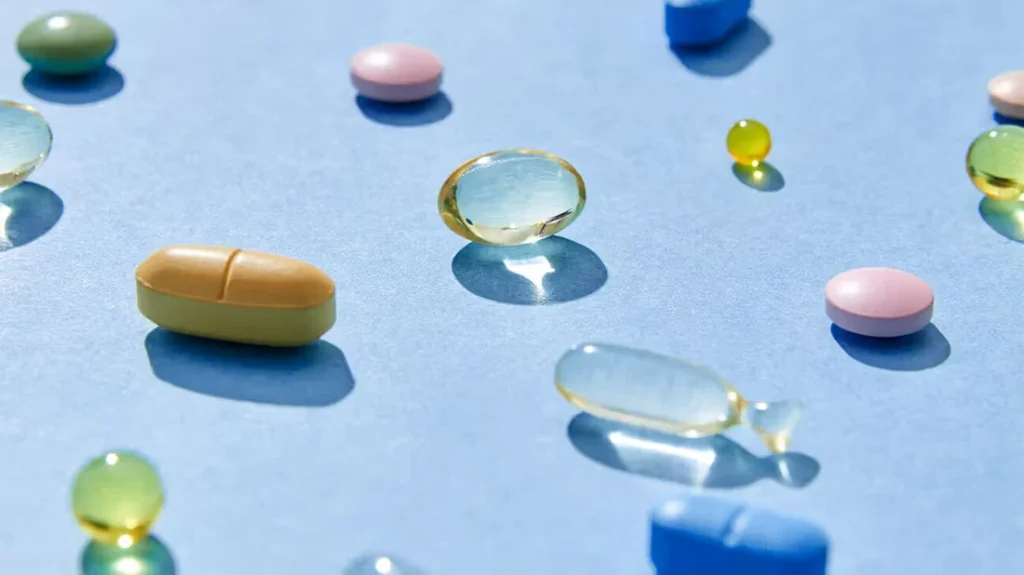
Our supplements, part of the Citozeatec line, go beyond traditional multivitamins—they’re formulated with enzyme substrates that help activate and enhance cellular activity. This unique combination makes our products more than just a source of nutrients. They work in harmony with the body’s natural processes to support energy, balance, and overall vitality at the cellular level. What Makes Our Vitamins the Best We carefully select only the most bioavailable and essential vitamins—those that play a fundamental role in metabolism, immune support, and cellular repair. But what truly sets our products apart is how they’re designed to work with enzyme substrates, ensuring these vitamins don’t just get consumed—they get used. This synergy is what makes our supplements stand out as some of the best vitamins available today. These statements have not been evaluated by the Food and Drug Administration. This product is not intended to diagnose, treat, cure, or prevent any disease.

    0
    Your Cart
    Your cart is emptyReturn to Shop
    Scroll to Top